
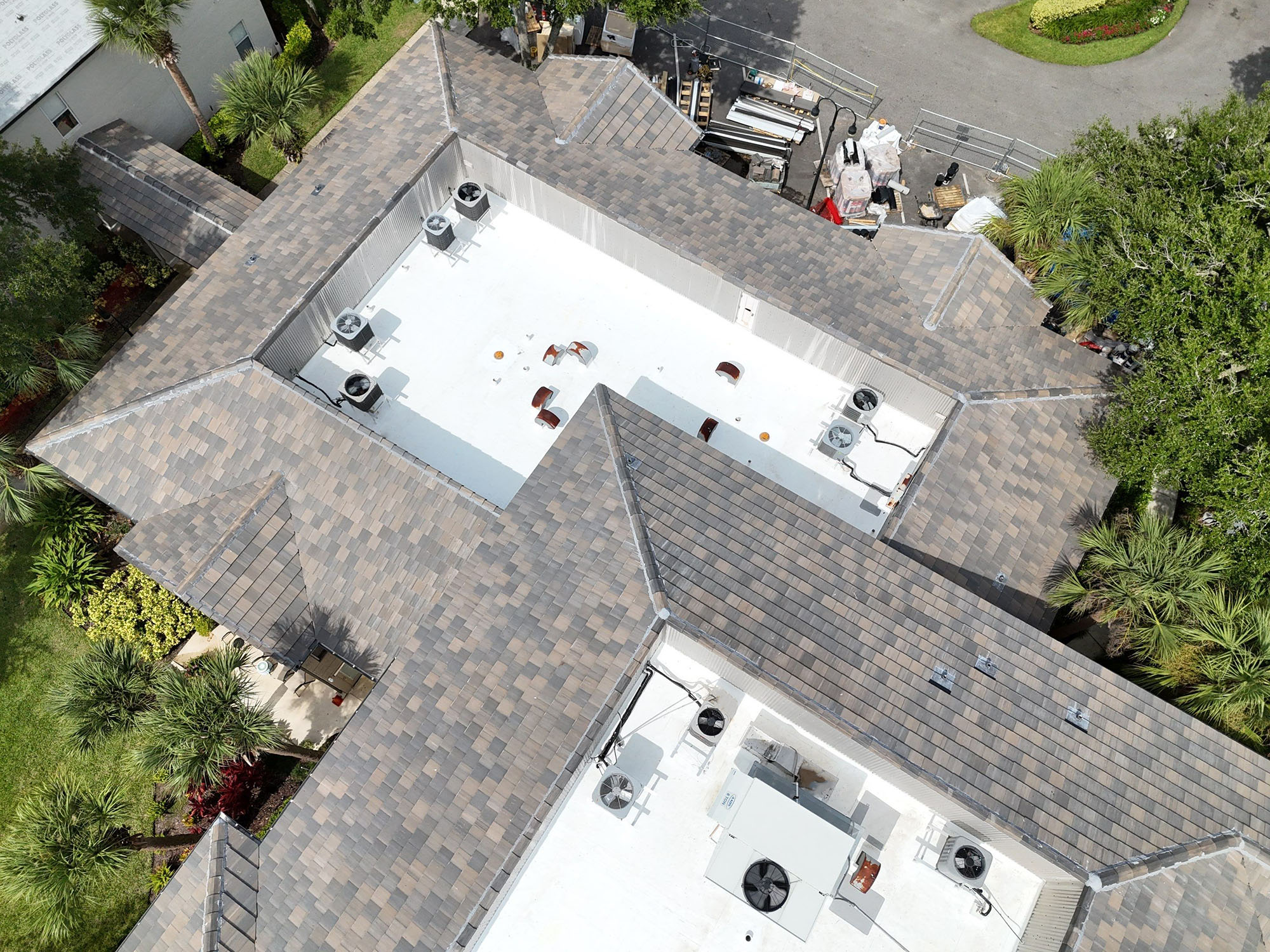
As we move deeper into 2026, the commercial roofing industry is operating in a landscape that defies traditional economic logic. In a standard market, cooling demand typically leads to lower prices. However, we are currently navigating a “Supply-Side Crisis” driven not by a surge in construction activity, but by international conflict and the resulting instability in global trade routes.
For building owners in Northeast Florida, the “wait and see” strategy has become a liability. We aren’t just seeing inflation; we are seeing a fundamental repricing of global risk.
2021 vs. 2026: Why This Time is Different
Many compare today’s market to the 2021 pandemic crisis, but the drivers have completely shifted.
- 2021 was a Demand Crisis: A global “buying spree” met a crippled manufacturing base.
- 2026 is a Geopolitical Shock: Demand is relatively steady—even cooling in some sectors—but the Iran conflict and international relations have throttled the supply of raw materials and energy.
This is not “demand-pull” inflation. It is a supply-side shock where material costs are skyrocketing regardless of how many roofs are being built.
The Reality Check: Material Pricing Breakdown
Major manufacturers, including GAF, Carlisle, Elevate, and Petersen Aluminum, have been forced into successive waves of price adjustments to keep pace with these shocks.
- Architectural Metal: This sector has been the hardest-hit, with prices up over 25% since the start of 2026. Between trade tariffs and high energy costs for smelting, the “metal premium” is now a permanent fixture of capital budgeting.
- Polyiso Insulation: Polyiso’s volatility is almost entirely a “chemical story.” It is driven by the unstable supply of MDI and pentane precursors. Disruptions in global chemical feedstocks mean that even with flat demand, the cost to produce insulation remains at record highs.
- Single-Ply Membranes (TPO/PVC): Layered increases have resulted in total impacts exceeding 10–15% YTD, as petroleum-linked inputs remain tethered to the volatile $110+/barrel oil market.
The Logistics Crisis: The $850 Truckload
The most visible sign of this “Supply-Side Shock” is in transportation. The cost of moving materials to a job site in Jacksonville has effectively doubled.
In early 2025, a standard truckload of roofing material was budgeted at $400. Today, that same load frequently costs over $850. Between emergency conflict surcharges and the massive increase in diesel fuel, the “logistics tax” on a commercial project is now a major budget line item that facility managers can no longer ignore.
Strategic Recommendations: Navigating the Paradox
To protect your asset value in this environment, Register Roofing recommends three critical strategic shifts:
- Secure Contracts to Lock in Pricing
In this market, pricing is heavily influenced by the ship date. However, negotiating on a “real” project is always more effective than chasing hypothetical quotes. By locking in your contract early, you allow your contractor to secure your place in the production queue and leverage the project’s specific requirements to stabilize pricing as quickly as possible.
- Design for Value, Not Just “Low Bid”
Now is the time to engage a partner who can help design cost-efficient roof systems. This doesn’t mean buying the “cheapest” roof—which often leads to higher lifecycle costs—but rather using expert methods to save funds while maintaining high value. Whether it’s smarter material substitution or optimizing the system assembly, early engagement allows us to value-engineer a solution that fits your budget without sacrificing performance.
- Budget for the “Geopolitical Premium”
The era of the “fixed-price” bid without contingencies is on hiatus. For 2026, we recommend building an 8–12% volatility buffer into your capital planning. In a market driven by international relations rather than local demand, this flexibility is your best defense against unexpected manufacturer hikes or freight surcharges.
Conclusion
The 2026 paradox is clear: demand doesn’t have to be high for prices to soar. Building owners who recognize that we are in a supply-driven crisis—and adjust their contracting and design strategies accordingly—will be the ones who successfully protect their long-term asset value.
Register Roofing continues to monitor global market conditions daily. We are here to help you navigate these shifts with clarity, transparency, and disciplined execution.